
←
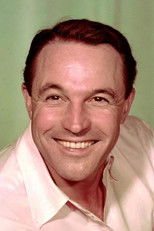
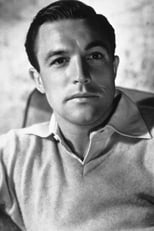
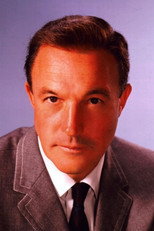
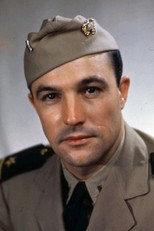
Meet Gene Kelly
★ Acting🎥 103 films📺 35 TV shows📅 1942–2026🔥 2
Also known as: 진 켈리, جین کلی, Eugene Curran Kelly
Born in Pittsburgh, Pennsylvania, USA
1912-08-23 (age 83 at death)
Died 1996-02-02
Eugene Curran Kelly (August 23, 1912 – February 2, 1996) was an American actor, dancer, singer, filmmaker, and choreographer. He was known for his energetic and athletic dancing style, his good looks, and the likable characters that he played on screen. He starred in, choreographed, or co-directed some of the most well-regarded musical films of the 1940s and 1950s, until they fell out of fashion in the late 1950s.
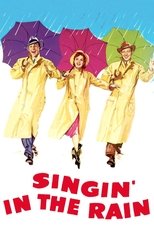
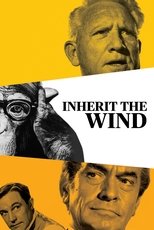
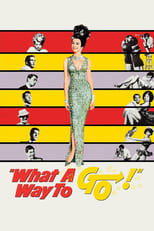
Kelly is best known today for his performances in films such as Cover Girl (1944), Anchors Aweigh (1945), for which he was nominated for an Academy Award for Best Actor, On the Town (1949), which was his directorial debut, An American in Paris (1951), Singin' in the Rain (1952), Brigadoon (1954), and It's Always Fair Weather (1955). Kelly made his film debut with Judy Garland in For Me and My Gal (1942), and followed by Du Barry Was a Lady (1943), Thousands Cheer (1943), The Pirate (1948), Summer Stock (1950), and Les Girls (1957) among others. After musicals he starred in two films outside the musical genre: Inherit the Wind (1960) and What a Way to Go! (1964). In 1967, he appeared in French director Jacques Demy's musical comedy The Young Girls of Rochefort opposite Catherine Deneuve. Kelly solo directed the comedy A Guide for the Married Man (1967) starring Walter Matthau, and later the extravagant musical Hello, Dolly! (1969) starring Barbra Streisand, recognized with an Oscar nomination for Best Picture. Kelly co-hosted and appeared in Ziegfeld Follies (1946), That's Entertainment! (1974), That's Entertainment, Part II (1976), That's Dancing! (1985), and That's Entertainment, Part III (1994).
His many innovations transformed the Hollywood musical, and he is credited with almost single-handedly making the ballet form commercially acceptable to film audiences. Kelly received an Academy Honorary Award in 1952 for his career achievements; the same year, An American in Paris won six Academy Awards, including Best Picture. He later received lifetime achievement awards in the Kennedy Center Honors (1982) and from the Screen Actors Guild and American Film Institute. In 1999, the American Film Institute also ranked him as the 15th greatest male screen legend of Classic Hollywood Cinema.
From Wikipedia
Eugene Curran Kelly (August 23, 1912 – February 2, 1996) was an American dancer, actor, singer, director and choreographer. He was known for his energetic and athletic dancing style. Kelly sought to create a new form of American dance accessible to the general public, which he called "dance for the common man". He starred in, choreographed, and, with Stanley Donen, co-directed some of the best-regarded musical films of the 1940s and 1950s.
Kelly is best known for his performances in An American in Paris (1951), which won the Academy Award for Best Picture and Singin' in the Rain (1952), which he and Donen directed and choreographed. He received a nomination for the Academy Award for Best Actor for his role as Joseph "Joe" Bradley" in Anchors Aweigh (1945). Kelly's director debut was On the Town (1949), which he co-directed with Donen and also played the lead role. Later in the 1950s, as musicals waned in popularity, he starred in Brigadoon (1954) and It's Always Fair Weather (1955), the last film he directed with Donen. His solo directorial debut was Invitation to the Dance (1956), one of the last MGM musicals, which was a commercial failure.
Kelly made his film debut in For Me and My Gal (1942) with Judy Garland, with whom he also appeared in The Pirate (1948) and Summer Stock (1950). He also appeared in the dramas Black Hand (1950) and Inherit the Wind (1960), for which he received critical praise.
He continued as a director in the 1960s, with his credits including A Guide for the Married Man (1967) and Hello, Dolly! (1969), which received an Oscar nomination for Best Picture. He co-hosted and appeared in Ziegfeld Follies (1946), That's Entertainment! (1974), That's Entertainment, Part II (1976), That's Dancing! (1985), and That's Entertainment, Part III (1994).
His innovations transformed the Hollywood musical, and he is credited with almost single-handedly making the ballet form commercially acceptable to film audiences. According to dance and art historian Beth Genné, working with his co-director Donen in Singin' in the Rain and in films with director Vincente Minnelli, "Kelly ... fundamentally affected the way movies are made and the way we look at them. And he did it with a dancer's eye and from a dancer's perspective." Kelly received an Academy Honorary Award in 1952 for his career achievements; the same year, An American in Paris won six Academy Awards, including Best Picture. He later received lifetime achievement awards in the Kennedy Center Honors (1982) and from the Screen Actors Guild and American Film Institute. In 1999, the American Film Institute also ranked him as the 15th greatest male screen legend of Classic Hollywood Cinema.Web: Not available

Highest Rated Films



Powered by TMDB. © MyMovieScripts.com. All Rights Reserved. Make your videos interactive|Built by  TouchPoint.Video
TouchPoint.Video